

01
Pattern Analysis Across Lost Deals
Upload 10–20 recordings from lost deals and query the AI to find common objections, recurring concerns, and loss patterns. Get a ranked breakdown of why you lose with real examples — not guesses.

A customer-led workflow
Turn lost opportunities into won deals. Analyze 10–20 lost deal recordings to find patterns, build competitive battle cards, and improve your win rate by 5–10% next quarter.
Customer evidence

“Looking back, we were lucky to go with BuildBetter. A lot of other tools were extremely rigid. You've genuinely delivered on the tailoring — it's never been easier to work with any company we've bought from, ever.”
Start with the account history and original conversation. Use that context to prepare the next step, then share what was agreed with the team delivering it.
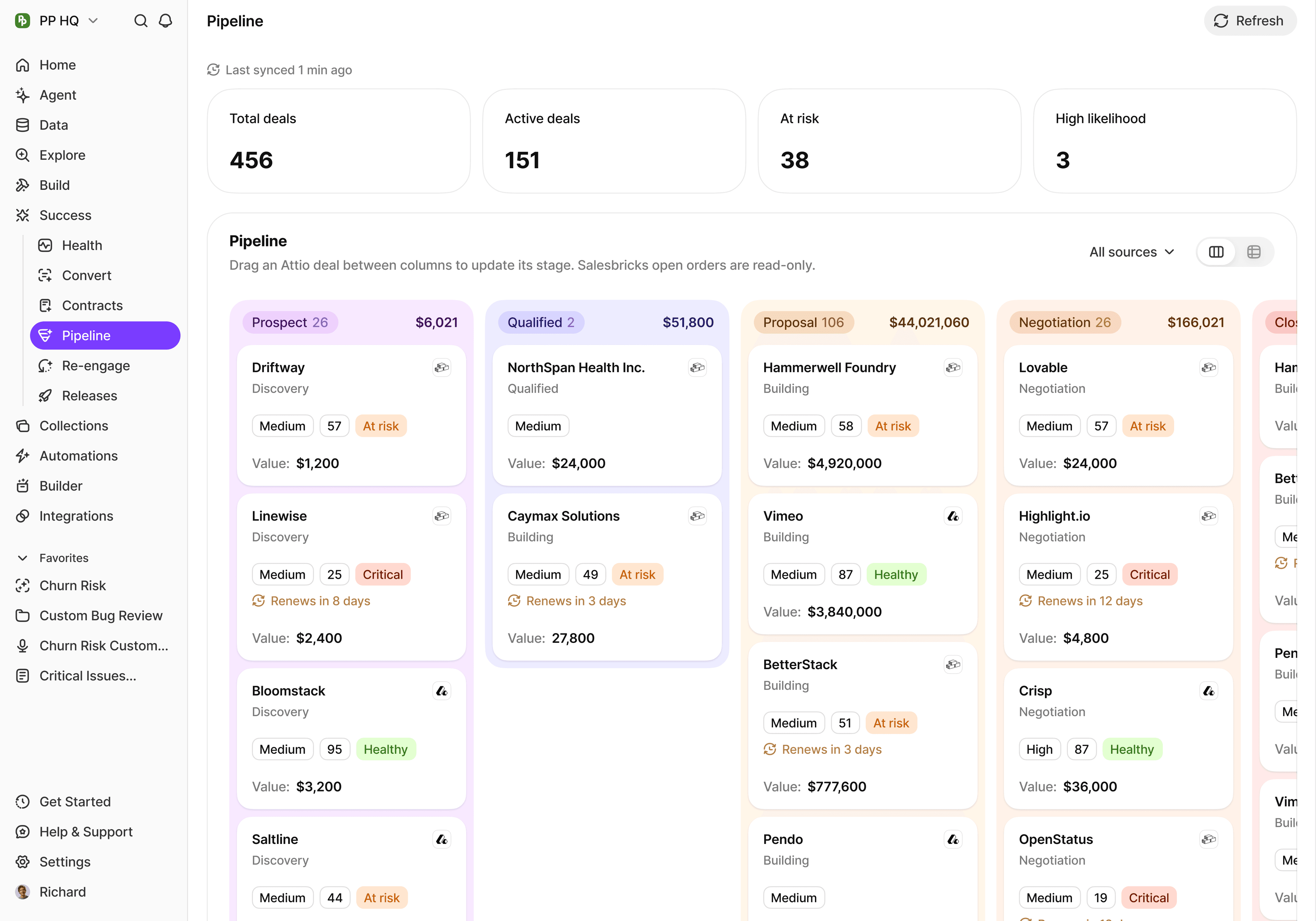
01
Upload 10–20 recordings from lost deals and query the AI to find common objections, recurring concerns, and loss patterns. Get a ranked breakdown of why you lose with real examples — not guesses.
02
Upload a set of won deal recordings alongside your losses and ask BuildBetter to compare them. Discover the specific behaviors, questions, and talk tracks that separate your wins from your losses.
03
For deals lost to a specific competitor, query what prospects said about that competitor — what they liked, what concerned them, and where the competitor was weak. Build battle cards from actual customer language.
04
Extract every objection heard across lost deals and generate recommended responses based on how successful reps handled similar objections in won deals. Build your objection playbook from real evidence.
05
Identify the signals that appeared consistently in deals before they were lost — tone shifts, competitor mentions, stalling language, and disengagement patterns that predict outcomes weeks in advance.
06
Tag each lost deal recording with context: what competitor you lost to, deal size, industry segment, and what stage the deal died. Filter and analyze by any of these dimensions to get targeted insights.
Upload discovery calls that went nowhere, demos where prospects went cold, final calls before they chose a competitor, and pricing conversations that stalled. Tag each with 'Lost Deal'.
Tag each lost deal with: who you lost to (competitor name or 'no decision'), deal size, industry or segment, and the stage at which the deal died. This metadata enables filtered analysis later.
Collect 10 recordings from deals you closed. Having both sets lets you run a direct comparison to isolate what you did differently in the conversations that led to wins.
Ask: 'Why did we lose these deals? What are the common objections and concerns?' BuildBetter surfaces a ranked list of loss reasons with frequencies and direct quotes from the calls.
Ask: 'Compare my won deals to lost deals — what did I do differently?' The analysis reveals behavioral differences in discovery, objection handling, demo flow, and closing approach.
For competitor-specific losses, ask: 'What did prospects say about [Competitor]? What did they like? Where did they see weaknesses?' Use this to build or update your battle cards.
If pricing objections are common, use the most effective responses from your won deals to build a standard ROI framing that reps can use consistently.
Use patterns from your loss analysis to identify early signals of poor fit — and update your qualification criteria so reps spend time on opportunities that match your best wins.
Apply the early warning patterns you identified to your live pipeline. Set up alerts for the same signals that preceded losses so you can intervene before deals go cold.
Bring a real question. We’ll walk through the context and the next step together.
Book a demo